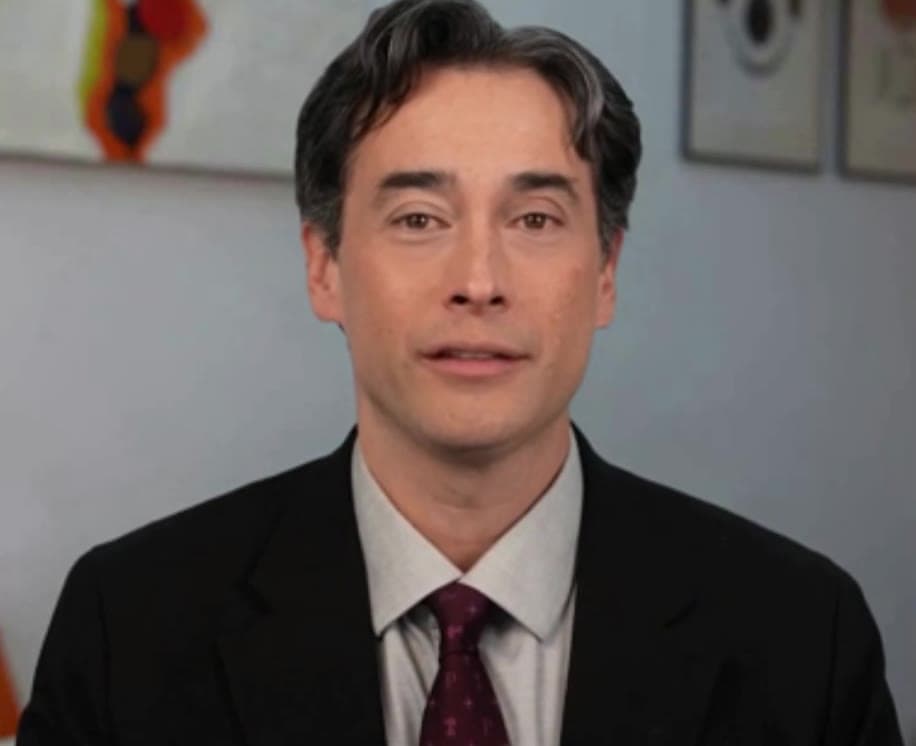
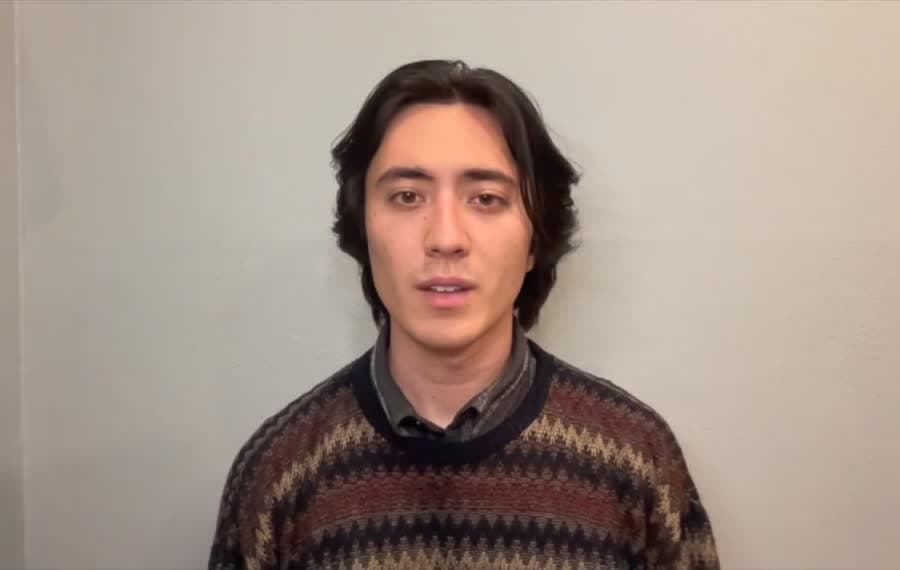
The hard questions, before they’re on the record.
Prepared witnesses change how cases end, but deposition prep eats attorney days. With Truss, your witness practices against a realistic AI examiner with the exhibits, pace, and pressure of the real thing. You get a report showing exactly where they need work.
Practice, not coaching.
The deposition decides the case. Preparation decides the deposition.
of federal civil cases reach trial. For the rest, the deposition is the only testimony that will ever exist.
U.S. Courts, Judicial Business FY2024
factors tested reliably swayed jurors: how confidently the witness answered, not what they knew. Confidence is trainable.
Cutler, Penrod & Stuve, 1988
of attorney time to prepare one witness for a full day of deposition, by the profession's own rule of thumb.
ABA Litigation Journal; federal 3:1 rule
You direct the examination. Truss runs it.
Scope it once and send a link. Your witness gets the reps on their own time. You get the findings in minutes, not a day in a conference room.
Then you get the record.
Every session becomes a report tied to the transcript. Each answer is measured against the discipline you’re drilling and flagged where your witness guessed, volunteered, or adopted the examiner’s words, with a jump link to the moment in the recording.
The guardrails are built in.
Truss is designed around the ethics of witness preparation. It drills composure and discipline, never content.
Counsel stays in charge
The examiner only asks what you scoped. Truss drills composure and discipline. It never feeds a witness testimony.
asks only what you scopedDocuments stay scoped
Each witness sees only the documents you assign to them. Exhibits appear on their screen exactly when the examiner names them.
unassigned documents stay hiddenRecordings expire
Session recordings are kept for a retention window you set per matter, then deleted automatically.
you set the retention windowAsked and answered.
The questions counsel ask before their first matter. Anything else, ask us directly.
Is this witness coaching?
No. Truss drills composure and discipline — how your witness handles questioning, never what they should say. The examiner asks only what you scoped, and it never feeds testimony, suggests answers, or supplies facts. That is the line the ethics of witness preparation draw, and the product is built on your side of it.
Are practice sessions discoverable?
How preparation materials are treated varies by jurisdiction and situation, and that judgment stays with you. Truss is designed to keep you in control of what exists: recordings are kept for a retention window you set per matter and deleted automatically, and nothing is visible beyond the people you invite to the matter.
What does the examiner actually do?
It runs a live video examination with the pace and pressure of the real thing: the questions you scoped, follow-ups when an answer opens a door, compound and double-negative constructions, and exhibits pushed to the witness's screen at the moment they are named.
Who can see the documents I upload?
Each witness sees only the documents you assign to them, and only when the examiner names them. Documents you leave unassigned never appear on a witness's screen. Access to the matter itself is limited to the people you add.
What does my witness need to run it?
A browser and a camera. You send a private link; the witness practices on their own time, without installing anything or attending a scheduled session.
When do I get the report?
When the session ends. Every answer is scored against the discipline you're drilling and tied to the transcript, with a jump link to the moment in the recording — so you can review a session in minutes and scope the next one the same day.